
Can Spinal Stenosis Kill You?
Spinal stenosis is a progressive condition, meaning it gets worse with time. Unlike many progressive conditions (multiple sclerosis, COPD, heart disease), spinal stenosis is unlikely to be the direct cause of your death. However, its progressive nature may cause secondary problems that can harm you if you don’t take steps to manage your condition when it’s diagnosed.
What Is Spinal Stenosis?
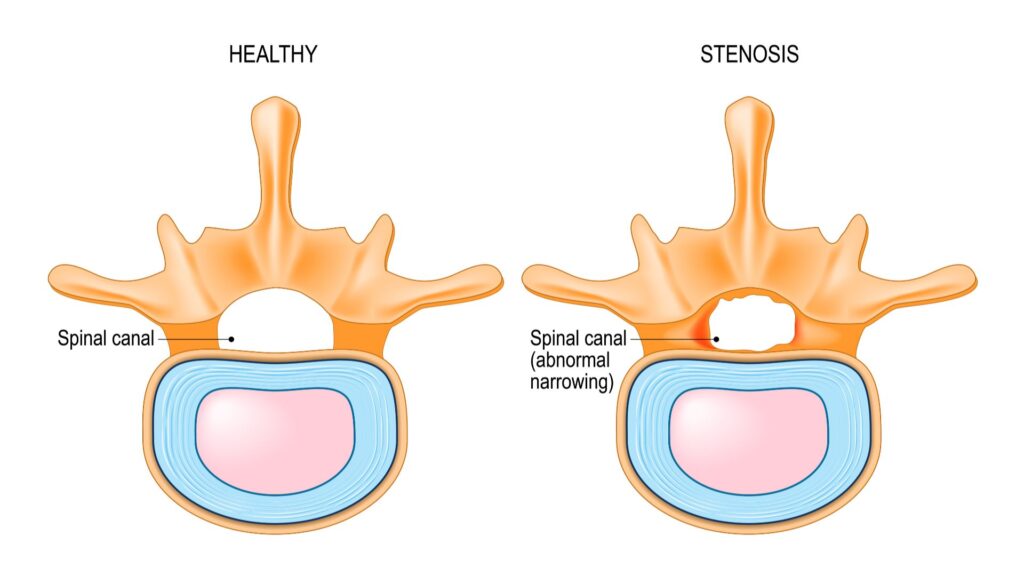
Your spine helps you stand straight and tall and protects your spinal cord. Each vertebra (bone) in your spine contains a space called the spinal canal, which holds your spinal cord. Spinal stenosis is the narrowing of the spinal canal. When this happens, it compresses the spinal cord and its nerves, resulting in pain.
You can develop spinal stenosis in your lower back (lumbar spinal stenosis) or your neck (cervical spinal stenosis). Occasionally, but rarely, spinal stenosis occurs in your middle back.
What Causes Spinal Stenosis?
Some people have a naturally small spinal canal, but most spinal stenosis develops later in life, often due to age or after an injury. Common causes of spinal stenosis include:
- Bone spurs. Bone spurs often happen when you have osteoarthritis. As the cartilage between your bones wears down, your body compensates and grows new bones. Bone spurs are an overgrowth, and when you develop bone spurs on your vertebrae, they can extend into the spinal canal.
- Bulging or herniated discs. The discs (the spongy cushioning between each vertebra) in your spine can wear down with age or become damaged due to an injury (like a car accident). When this happens, they can bulge out of the spine and into the spinal canal, compressing your nerves.
- Thick ligaments. Ligaments in your back connect the vertebrae, supporting the spine and stabilizing it. Over time, your ligaments can thicken and become stiff, pushing into the spinal canal.
- Injuries. Broken or dislocated vertebrae or other bones near your spine can extend into the spinal canal.
Symptoms of Spinal Stenosis
In general, spinal stenosis pain feels like numbness, tingling, or weakness, at or below where the nerve compression occurs. However, lumbar spinal stenosis and cervical spinal stenosis are felt in different parts of the body.
Lumbar Spinal Stenosis Symptoms
Lumbar spinal stenosis generally affects your lower back, but the pain and discomfort may extend down your leg and into your foot. Depending on how severe the spinal stenosis is, your legs may feel heavy or cramped. Interestingly, the pain may increase when you stand, walk, or walk downhill but decrease when you lean forward, walk uphill, or sit.
Cervical Spinal Stenosis Symptoms
Cervical spinal stenosis often presents as neck pain. However, it’s possible to feel pain anywhere below the compressed nerve, so it may extend into your arm, hand, leg, or foot. Depending on the severity, this kind of spinal stenosis can lead to balance issues or decreased hand function.

Stages of Spinal Stenosis
Spinal stenosis is progressive, meaning it isn’t reversible, and it will get worse with time. However, your spinal stenosis may not progress quickly, particularly if you seek early intervention and treatment. With the right care, your spinal stenosis can stay stable for years.
The condition has four stages:
- Stage one. Your spinal canal is starting to narrow, but you may not realize it. There may be mild symptoms you hardly notice or have no symptoms at all.
- Stage two. As the spinal canal narrows, you likely feel some pain and stiffness, along with occasional numbness. While your discomfort varies, the pain may interfere with some activities.
- Stage three. This stage can have a serious impact on your quality of life. There’s chronic pain, numbness, and muscle weakness, making it difficult to walk.
- Stage four. Stage four is considered severe spinal stenosis, and it negatively impacts your life. You may experience severe complications, like a loss of bladder and bowel control, have neurological issues, and possibly become paralyzed.
Will Spinal Stenosis Kill You?
No, not directly. While spinal stenosis is progressive and stage four is severe spinal stenosis, the condition is unlikely to kill you. However, what it can do is decrease your quality of life, which can lead to increasingly serious complications if you don’t take steps to manage it.
For example, left untreated, cervical spinal stenosis will lead to increased pain and discomfort to the point you may not be able to function normally. Over time, this can lead to neurological damage and paralysis, which can contribute to more serious issues like falling, increasing the possibility you’re seriously injured or even die.
How Can a Chiropractor Help Manage Spinal Stenosis?
Early intervention can slow the progression of spinal stenosis. Treatment options depend on which stage you’re in. Severe spinal stenosis may require more invasive care, like surgery. But mild cases often benefit from less invasive options, like chiropractic care.
While chiropractic adjustments can’t enlarge your spinal canal, they can improve your symptoms and decrease your pain. Your chiropractor may use:
- Spinal manipulation to realign your spine and reduce pressure on your spinal cord and nerves
- Massage therapy to release tension in your muscles, and increase blood flow to the area, and reduce inflammation
- Therapeutic exercises to help you strengthen muscles
Live Long, Live Healthy
Spinal stenosis is a progressive but manageable condition. With early intervention, you can slow its progression and live a long and healthy life. Chiropractic adjustments are a noninvasive early intervention you can leverage to align your spine, reduce spinal stenosis pain, and stay ahead of your condition.
The caring, compassionate team at Flourish Chiropractic Spa is here to help you manage your condition. Our skilled team of chiropractors and massage therapists collaborates with you to create a treatment plan that helps you achieve your health and wellness goals. Schedule an appointment today and take the first steps on your healing journey.
