

Getting diagnosed with occipital neuralgia may seem, ironically, like a relief. One of the confounding things about this condition is that the symptoms are very similar to migraine symptoms, making it difficult to pin down exactly what’s causing your pain. But once you have a diagnosis, what can you do about the symptoms? There’s no cure for occipital neuralgia, but what treatments will bring you relief?
Especially if you’ve tried conventional treatments that didn’t work for what you thought were migraines, you may want to try chiropractic treatment for your occipital neuralgia. But is it a good option, and can it reduce the pain?
What Is Occipital Neuralgia?
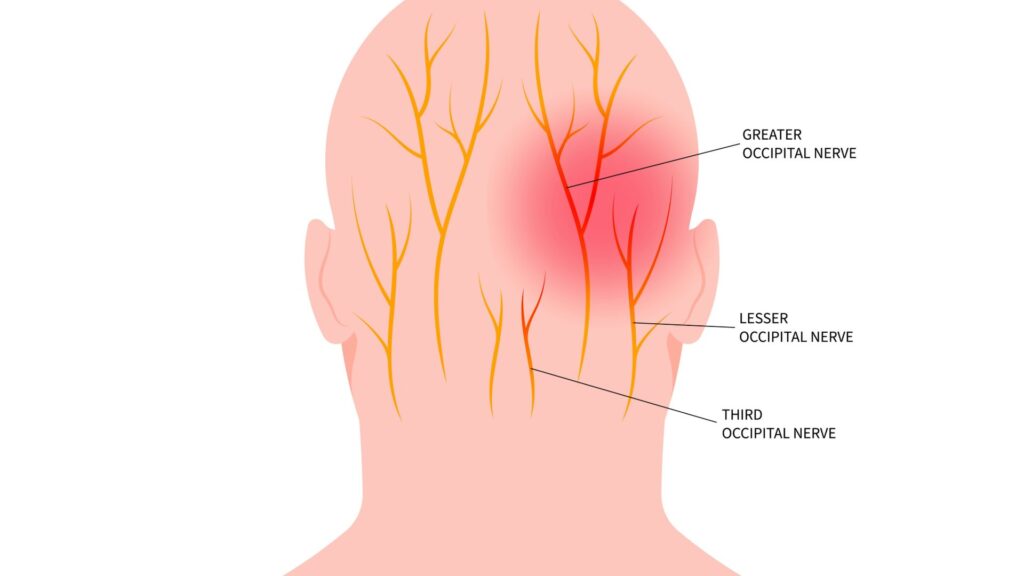
Occipital neuralgia is a headache disorder that happens when your occipital nerve is inflamed or irritated. The occipital nerve is a bundle of three nerves: the greater occipital nerve, the lesser occipital nerve, and the third occipital nerve. It starts in your upper cervical spine (your neck) and runs through parts of the back of your neck and scalp.
What Causes Occipital Neuralgia?
A majority (90%) of cases are caused by the greater occipital nerve, while 10% involve the lower occipital nerve. Most cases are caused by a pinched or compressed C2 or C3 nerve in your upper cervical spine (your upper neck), which can be caused by:
- A neck injury (like whiplash)
- Tense or tight neck muscles
- Tumors
- Arthritis
Though anyone can develop occipital neuralgia, you have an increased of developing it if you have:
- Gout
- Diabetes
- Degenerative disc disease
- Vasculitis
Can I Prevent Occipital Neuralgia?
While you may not be able to prevent occipital neuralgia, you can take several steps to reduce nerve inflammation:
- Regular stretching and exercise to strengthen the neck, back, and shoulder muscles
- Good posture puts less pressure on the upper neck.
- Try not to look down or hunch for long periods to reduce strain on the upper cervical area
- If you feel tension in the upper cervical neck area, try to relax the muscles by changing positions, taking a break, or getting a massage
- Treat infections promptly so they don’t spread and inflame the upper cervical nerves
- Seek medical attention if you have a neck injury

What Does Occipital Neuralgia Pain Feel Like?
The symptoms of occipital neuralgia are similar to a migraine headache. Many people describe feeling an intense pain that’s similar to an electric shock. It can be sporadic or continuous, but the pain is usually piercing and throbbing. The unique characteristic of occipital neuralgia pain is that it’s felt at the base of the skull, back of the head, and sometimes throughout the scalp, but it can also cause neck pain.
Migraine pain may be similarly intense, with piercing and throbbing that can be sporadic or continuous. The difference is that migraine headache pain is generally felt on the front or side of the head or around the eyes.
How Is Occipital Neuralgia Diagnosed?
Because occipital neuralgia is very similar to migraines, getting a correct diagnosis may feel elusive. One way a doctor may diagnose occipital neuralgia is through a physical exam. Your doctor may press parts of your neck or scalp to test for pain or tenderness along the occipital nerves. To confirm the diagnosis, your doctor may administer a nerve block to see if the chronic pain improves.
How Do You Treat Occipital Neuralgia?
Though getting a correct diagnosis of occipital neuralgia can be difficult, once you have it, there are many treatment options that can improve how you feel. Conventional occipital neuralgia treatment includes:
- Heat therapy to relax tight muscles and increase blood circulation
- Cold therapy to reduce inflammation and numb pain
- Over-the-counter pain medication like ibuprofen or acetaminophen to manage pain and reduce inflammation.
- Deep breathing, meditation, or yoga can help reduce stress and release tension in your neck.
- Lifestyle adjustments, like ergonomic seating and proper posture, reduce strain on muscles.
- Physical therapy to help you move correctly and improve your posture
Other treatments like massage therapy, muscle relaxers, and BOTOX can reduce your pain, though some people find relief using a nerve block injection. In more serious cases, surgery may be most effective and can include occipital nerve stimulation or spinal cord stimulation.
How Do Chiropractors Treat Occipital Neuralgia?
Patients may seek upper cervical chiropractic care for their occipital neuralgia when conventional treatments haven’t worked, and they want to try something else before considering surgery or when surgery isn’t an option.
Misaligned vertebrae in your upper neck can compress the occipital nerve. Upper cervical chiropractic care can realign these vertebrae, reducing the pressure on the nerve and improve how you feel. Therapeutic massage can also improve how you feel by reducing any tension in the upper cervical area, helping your muscles relax, and reducing inflammation in the area.
Your chiropractor may also recommend additional chiropractic treatments to complement the upper cervical chiropractic care that addresses your occipital neuralgia. For example, treating a herniated disc may reduce the chances your occipital neuralgia returns and improve your overall health and well-being.
Find Relief From Occipital Neuralgia Pain
While there is no cure for occipital neuralgia, conventional and chiropractic care can treat the symptoms and ease the pain it causes. You can pursue chiropractic adjustments as an alternative to conventional care or use them in conjunction to achieve maximum relief.
If you’re suffering from occipital neuralgia, the compassionate team at Flourish Chiropractic Spa is here to provide the upper cervical care you need to relieve nerve pressure, reduce strain on your muscles, and live a healthier, more pain-free life. Contact us today to schedule an appointment.
